High Performance and High Cycle-life Lead-Acid Batteries with Carbon-based Electrodes
Objective
To reduce lead-acid batteries’ sulfation problem and enhance its cycle life through addition of graphene into electrodes.
To explore the fundamental electrochemical mechanism of the interface between graphene and active material, as well as its impact on the battery performance.
Approach
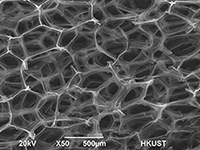
Incorporate graphene into lead-acid battery electrodes in the form of additive and/or 3D current collector in controlling the graphene conductive network
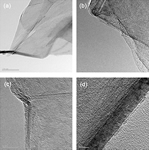
Functionalize chemical derivative graphene oxide with controlled reduction degree as carbon additive for testing of electrochemical activity
Investigate fundamental electrochemical mechanism of the interface through experiments and molecular dynamic model
Impact
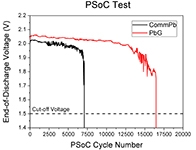
Enhance lead-acid batteries partial state of charge (PSoC) cycle life by more than 100% compared to commercial batteries
Identify key factors governing the interfacial transformation of PbSO4
Evaluate the impact of interfacial coupling on the battery performance